

Recent weeks have brought shocking headline after shocking headline about efforts by the new U.S. administration to defund, disable, and dismantle major world-leading science endeavors. This effort to disable science has included numerous science initiatives established by law, with funds already appropriated, and vital research ongoing.
This week, the White House announced it was dismissing all of the researchers working on the next National Climate Assessment, though the NCA is mandated by Congress, and already funded. Today, it was announced that two of the most important scientific associations in the U.S. would step in to steward a process aimed at preserving the vital climate science insight-gathering and publishing process.
According to a press release:
The American Geophysical Union (AGU), the world’s largest association of Earth and space scientists, and the American Meteorological Society (AMS), the professional society for atmospheric and related sciences and services, invite manuscripts for a new, first-of-its-kind special collection focused on climate change in the United States. This catalog of over 29 peer-reviewed journals covers all aspects of climate, including observations, projections, impacts, risks, and solutions.
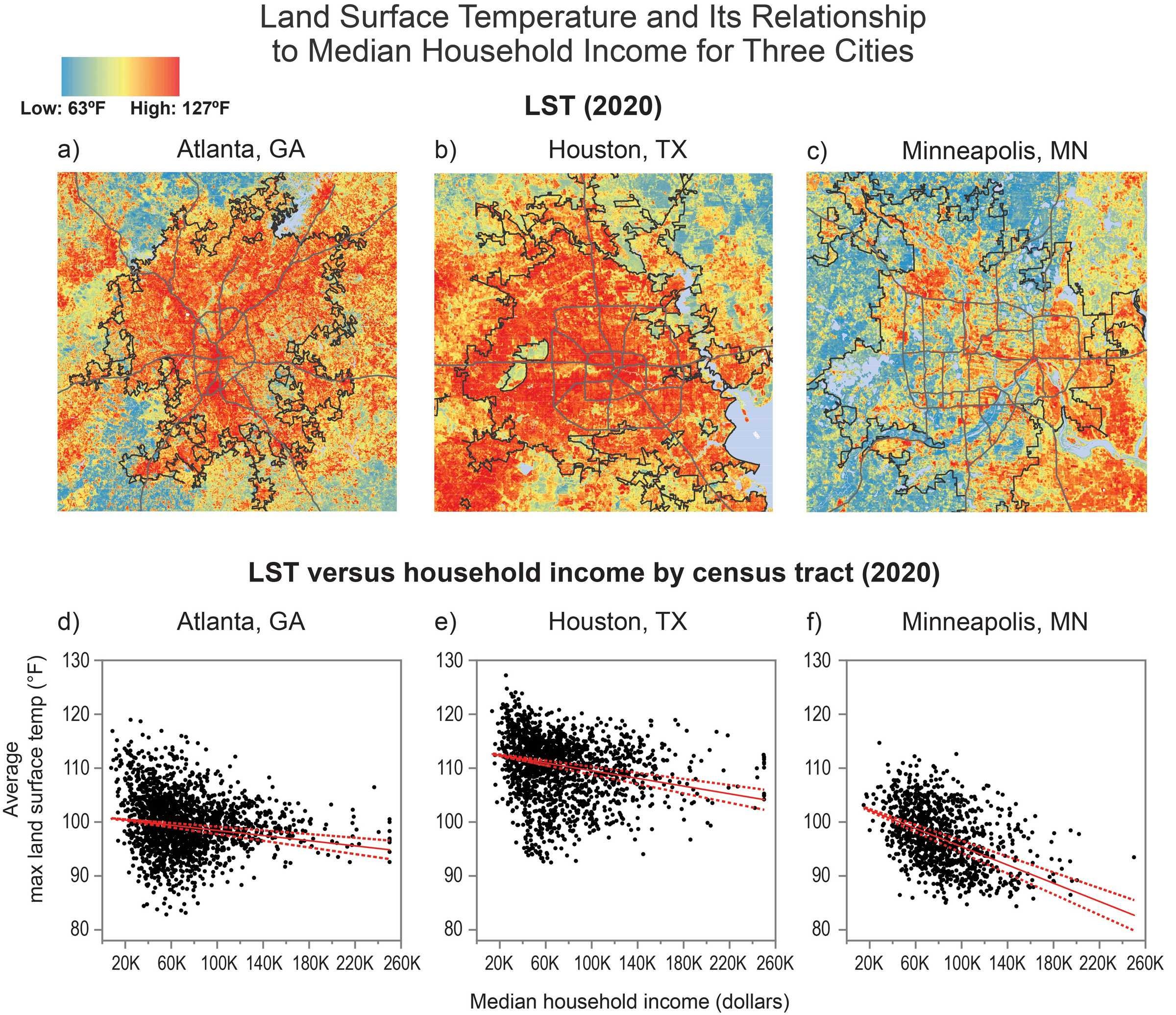
AGU President Brandon Jones said, “It’s incumbent on us to ensure our communities, our neighbors, our children are all protected and prepared for the mounting risks of climate change,” and described the new collection as “a critical pathway for a wide range of researchers to come together and provide the science needed to support the global enterprise pursuing solutions to climate change.”
In March, I reported from a workshop on the stakes of cooperative climate crisis response, noting that:
High-quality science is crucial for unlocking the brightest possible financial and economic future. High-quality science can prevent costly climate disasters, or make response measures more proactive and efficient, and help to avoid maladaptation. It is also vitally important for understanding with precision and detail where climate-related value-creation is happening, and what it will be worth, for how long.
In the end, it is as simple as this: Good data informs good decisions; if you want to make good decisions, you need good data.
One of the very important features of the National Climate Assessment is the detailed, deliberate, and rigorous way it integrates local insights and observations. This allows local communities, vulnerable farmers and businesses, and people and sensitive ecosystems on the front lines of climate change and economic transition to not only be heard, but to help guide the policies that will shape their future.
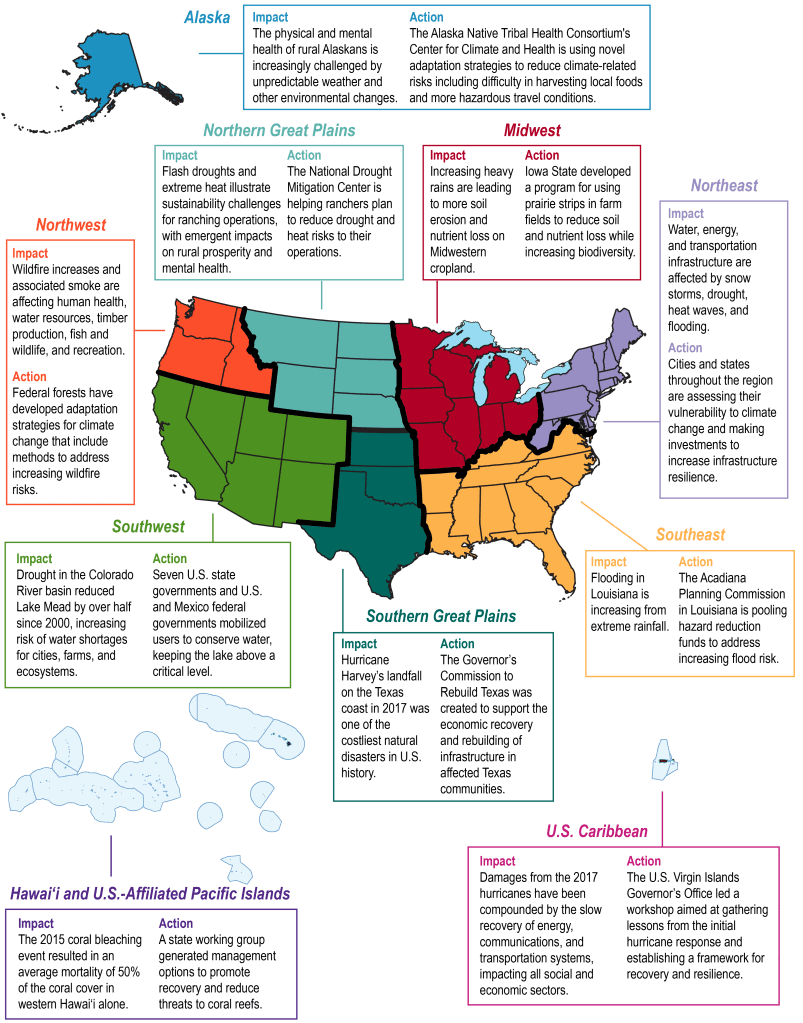
Without the best-quality science and evidence, the United States will be far less prepared for the devastating costs of worsening climate disruption, and those costs are rising fast. Numerous reports, from the 2010 Quadrennial Defense Review, to repeated National Climate Assessments, the Intergovernmental Panel on Climate Change, the State of the Climate report, and reports from U.S. financial regulators, warn unchecked climate change will have destabilizing effects, including forced migration, worsening risk of conflict, and tens of trillions of dollars in cost and damage.
AMS President David J. Stensrud said the U.S. needs the NCA’s “comprehensive, rigorous integration and evaluation of the latest climate science knowledge… in order to understand the world in which we live,” adding that “Our economy, our health, our society are all climate-dependent.” He acknowledged this outside collaboration cannot replace the NCA, but said AMS is committed “to support and help expand this collaborative scientific effort for the benefit of the U.S. public and the world at large”.
This piece was written for The Navigator.
FEATURED IMAGE
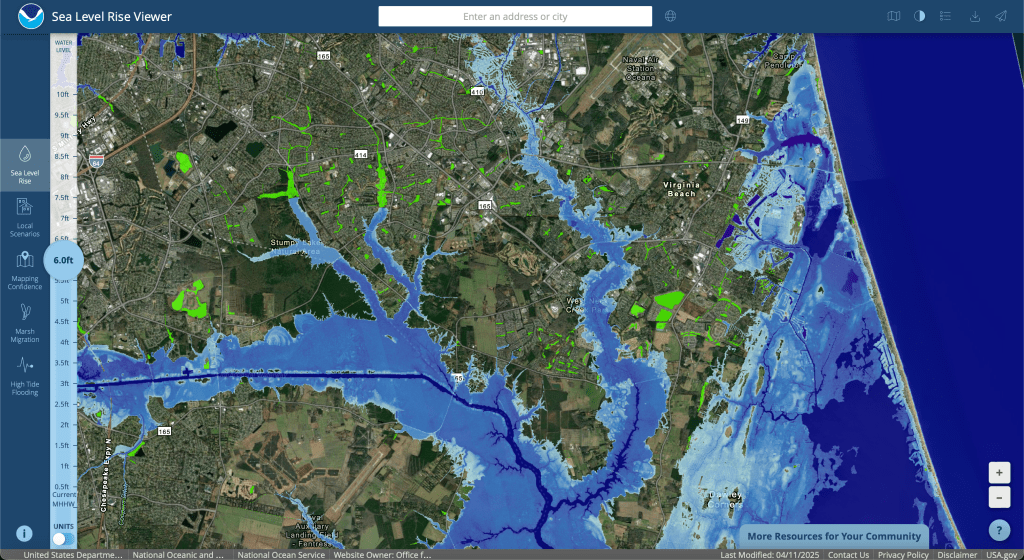
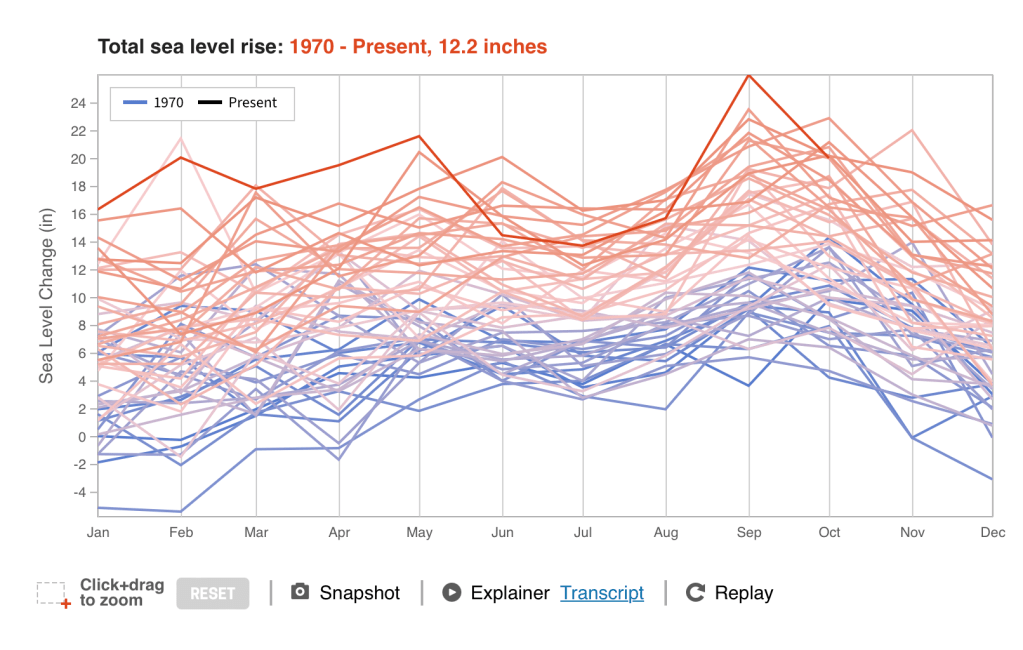
Related science observations:
 Geodesiq Strategies